

B.S. Abdur Rahman Crescent Institute of Science & Technology: Empowering Future-Ready Learners Through Excellence
For more than four decades, B.S. Abdur Rahman Crescent Institute of Science & Technology (BSAICST) has been contributing to the higher education landscape through its commitment to academic excellence, innovation and holistic development. Established in 1984, the institution has evolved into a multidisciplinary centre of learning, offering a wide range of undergraduate, postgraduate and Ph.D. programmes across 12 Schools.
With a strong emphasis on quality education and emerging technologies, BSAICST seeks to create an environment where students can develop knowledge, professional competencies and the confidence to contribute meaningfully to society.
A Vision Driven by Empowerment
At the leadership level, Mr. Abdul Qadir A. Rahman Buhari, Pro-Chancellor, BSAICST, brings together experience in business, academics and institutional development. His vision is centred on empowering young people through higher education and enabling them to achieve their aspirations while contributing to the larger interests of society.
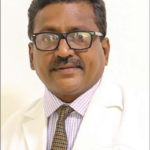
The institution’s academic leadership further strengthens this vision. Dr. A. Peer Mohamed, Vice-Chancellor, is an educationist with more than three decades of experience in higher education. A strong advocate of emerging technologies, he emphasizes innovation, adaptability and continuous improvement as essential elements of contemporary education. His leadership focuses on strengthening teaching, learning and institutional development.
Supporting the academic and administrative ecosystem is Dr. N. Raja Hussain, Registrar, who contributes to initiatives aimed at enhancing academic and administrative excellence. His focus on innovation, quality and technology-enabled education supports the institution’s student-centric approach and its responsiveness to the evolving needs of learners.
Crescent School of Architecture: Learning Beyond the Classroom
Among the institution’s specialised academic schools is the Crescent School of Architecture, which represents BSAICST’s commitment to developing professionals with a combination of technical knowledge, creativity, ethical awareness and practical understanding.
Located within the institution’s green campus, the School of Architecture provides students with an environment designed to support their ethical and professional development. Its approach aims to bridge the gap between architectural education and professional practice, preparing students to respond to the changing requirements of the built environment.
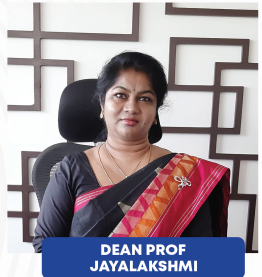
The school is headed by Architect Prof. G. Jayalakshmi, who brings more than 25 years of experience in architectural education along with professional practice. Her leadership combines academic and administrative expertise with an empathetic approach to student development. A key focus of her work has been strengthening the connection between architectural practice and education.
Programmes Designed for Creative Careers
Crescent School of Architecture offers programmes across architecture and design, including:
- Bachelor of Architecture (B.Arch)
- Bachelor of Design (B.Des)
- Master of Architecture (M.Arch)
These programmes provide students with opportunities to explore design, technology, planning and the various dimensions of the built environment.
A Continuum of Learning from Early Years to Middle School
Maple Bear’s academic offerings extend across multiple stages of childhood, creating a pathway that supports children’s development as they progress through their educational journey.
Preschool Programmes
Maple Bear’s preschool programmes cater to children from approximately 18 months to 6 years, focusing on creating a strong foundation for future learning. The programmes address cognitive, social, emotional, physical and creative development through age-appropriate learning experiences.
The objective is not simply to prepare children academically for the next grade, but to help them become confident, curious and engaged learners.
Elementary Education
The elementary programme extends from Grade 1 to Grade 5, enabling students to build on the skills and knowledge developed during their early years. The learning experience focuses on strengthening foundational academic competencies while continuing to encourage inquiry, creativity, collaboration and independent thinking.
Middle School Education
Maple Bear also offers education for Grades 6 to 8, supporting students as they transition towards greater academic independence. The programme covers core areas including mathematics, science, language arts and social studies, while encouraging students to develop deeper understanding, analytical abilities and confidence in their learning.
This continuum allows Maple Bear to support students across different developmental stages while maintaining consistency in its educational philosophy.
Bear Care: Rethinking Day Care
Understanding the evolving needs of modern families, Maple Bear has introduced Bear Care, a structured day-care programme designed to go beyond conventional childcare.
While traditional daycare services may primarily focus on supervision, meals and rest, Bear Care takes a more developmental approach. The programme is designed around children’s physical, social, intellectual, creative and emotional needs, with activities and experiences appropriate to their age.
The programme is available not only to children enrolled at Maple Bear but also, in appropriate centres, to children from other schools. This creates an opportunity for a wider group of children to experience the educational philosophy and developmental approach associated with Maple Bear.
The programme also offers a potential childcare solution for corporate employees seeking structured and enriching care for their children during working hours.
Global Connections: Learning Beyond Borders
In today’s interconnected world, global citizenship is an increasingly important part of education. Maple Bear seeks to develop this awareness by giving students opportunities to connect with peers across countries and cultures.
Through its Global Connections initiatives, Maple Bear students can collaborate digitally with students from other Maple Bear schools around the world on projects connected to the United Nations’ 17 Sustainable Development Goals.
These projects encourage children to explore themes such as climate, culture, education, living conditions, biodiversity and sustainability. More importantly, students are encouraged to understand that people may experience the world differently and that meaningful learning can emerge from listening to diverse perspectives.
Such experiences help children develop cultural awareness, collaboration skills and a broader understanding of the world around them.
Continuous Research and Curriculum Development
Education cannot remain static. As research in child development and learning evolves, educational approaches must also adapt.